
Some people interested in learning a new language act as if learning a non-alphabetical language is impossible for them to learn and become discouraged from even trying. It can be daunting; looking at Japanese and how complicated the writing system is and ruminating on how difficult it would be to take on the task. Or have you ever been interested in learning Chinese? Chinese is famous for being one of the most difficult languages for speakers of English to master.
But what if you knew there was a way to work around it? A way to avoid learning the seemingly countless characters involved when learning Japanese, Chinese, or another non-alphabetical language? Well, I’m here to give you some hope as well as some information you may or may not know about! Take a look below:
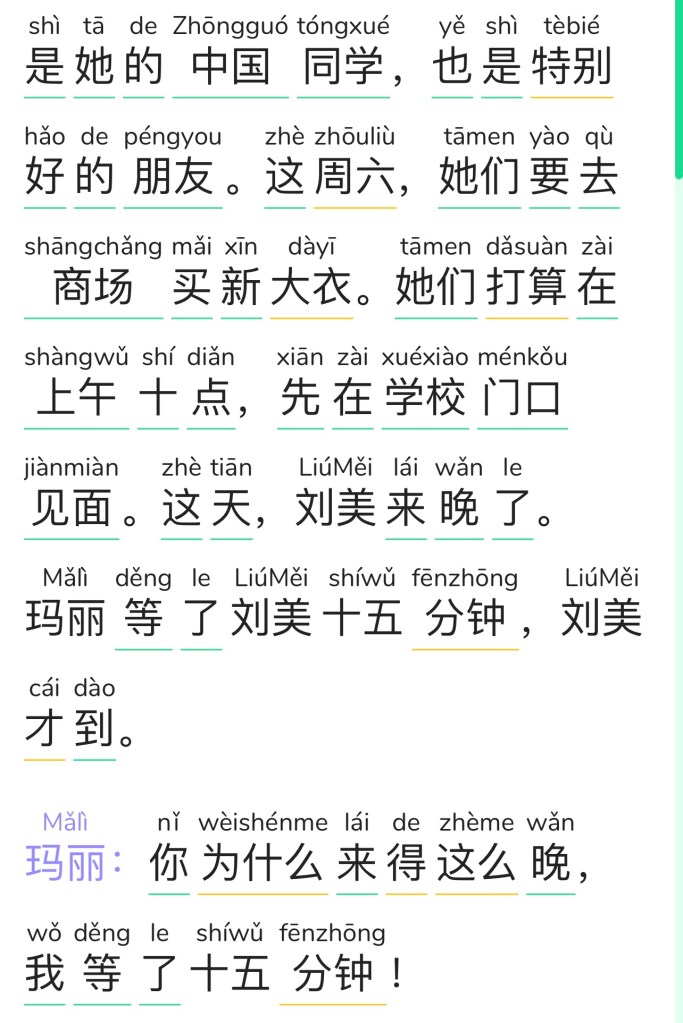
What you’re seeing is the romanization of the Mandarin Chinese language, basically, the use of the alphabet plus tone marks to indicate a specific tone a word uses. It is a much easier way to learn Chinese if your goal is not to learn how to read and write in Chinese.
The same can be said for Japanese as well; the Japanese use romaji to romanize their language. In other words, many languages out there have been romanized with a lot of available resources to support language learning without the need to focus on reading and writing.
If this blog post has convinced you to have a go at learning a non-alphabetical language, or any language, please let me know in the comments below!
 Nature City Visions - Capturing cityscapes, landscapes, and the beauty in between